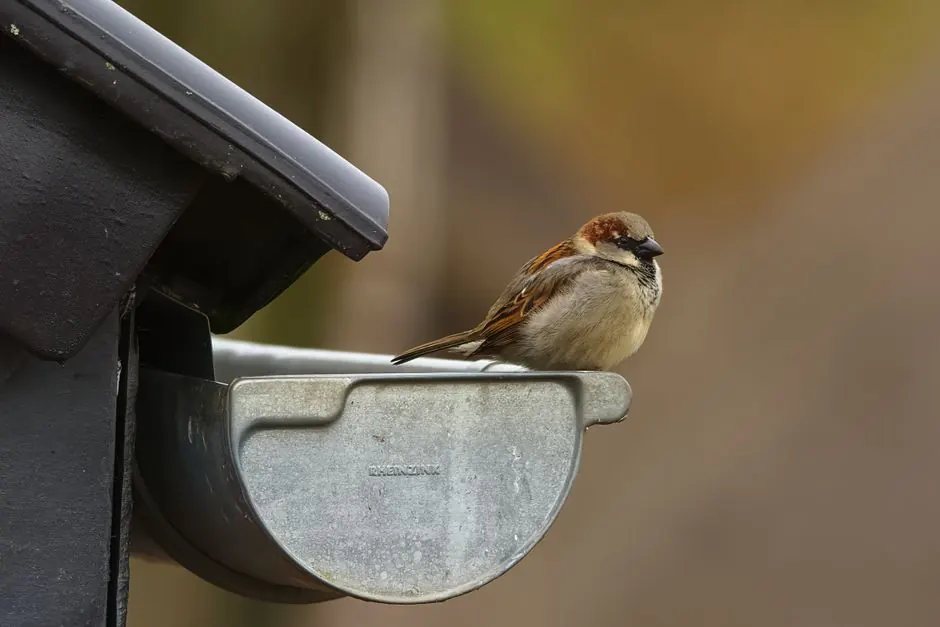
Overflowing gutter downspouts in Uptown typically occur due to clogs, improper installation, or insufficient capacity. Understanding these factors can help you address the issue effectively and maintain your property's integrity.
Gutter downspouts are vertical pipes that direct rainwater from your roof to the ground, preventing water from pooling around your foundation. Properly functioning downspouts are essential for protecting your home from water damage, especially in Minneapolis, where heavy rains can occur.
Common Causes of Overflowing Downspouts
Several factors can lead to overflowing downspouts in Uptown Minneapolis:
- Clogs: Leaves, debris, and dirt can accumulate in the downspout, blocking the flow of water.
- Improper Installation: If downspouts are installed incorrectly or at the wrong angle, water may not flow efficiently.
- Insufficient Capacity: Inadequate downspout size for your roof area can lead to overflow during heavy rain.
- Damaged Gutters: Cracks or holes in gutters can divert water, causing it to overflow.
How Weather Affects Gutter Performance
Minneapolis experiences significant seasonal weather changes, impacting gutter performance. During the spring and summer months, heavy rains can lead to increased water flow through your gutters and downspouts. In winter, snow and ice can create blockages that prevent proper drainage.
For example, a typical summer storm can drop over 2 inches of rain in a short period. If your downspouts are not equipped to handle that volume, overflow will occur. Additionally, winter ice can form in downspouts, leading to ice dams, which can exacerbate overflow issues.
Signs of a Clogged Downspout
Identifying a clogged downspout early can save you from extensive water damage. Here are some signs to watch for:
- Water spilling over the top of the downspout.
- Pooling water around the foundation of your home.
- Visible debris in the downspout or gutter.
- Slow drainage during rainstorms.
How to Fix an Overflowing Downspout
Fixing an overflowing downspout involves several steps:
- Inspect the Downspout: Look for visible clogs or damage.
- Clear Clogs: Use a plumber's snake or a garden hose to remove debris.
- Check the Installation: Ensure that your downspouts are installed correctly and at the right angle.
- Consider Upgrades: If your downspouts are too small, consider a downspout installation with larger capacity.
Common Mistakes to Avoid
Homeowners often make mistakes that can worsen downspout overflow issues:
- Ignoring regular maintenance and cleaning of gutters and downspouts.
- Using the wrong tools to clear clogs, which can cause damage.
- Neglecting to check for signs of wear and tear on gutters.
When to Call a Professional
If you encounter persistent overflow issues despite your efforts, it may be time to call a professional. North Star Seamless Gutters specializes in gutter inspection and can provide tailored solutions to your specific needs.
Frequently Asked Questions
1. How often should I clean my gutters? It is recommended to clean your gutters at least twice a year, typically in the spring and fall, to prevent clogs.
2. What are the signs of a failing gutter system? Signs include sagging gutters, water damage to your home's foundation, and frequent overflow during rain.
3. Can I install downspouts myself? While DIY installation is possible, professional installation ensures proper alignment and capacity for your home's needs.
4. How much does gutter installation cost in Minneapolis? Typical 2026 pricing for gutter installation in Minneapolis ranges from $1,500 to $3,000, depending on the size and materials used.