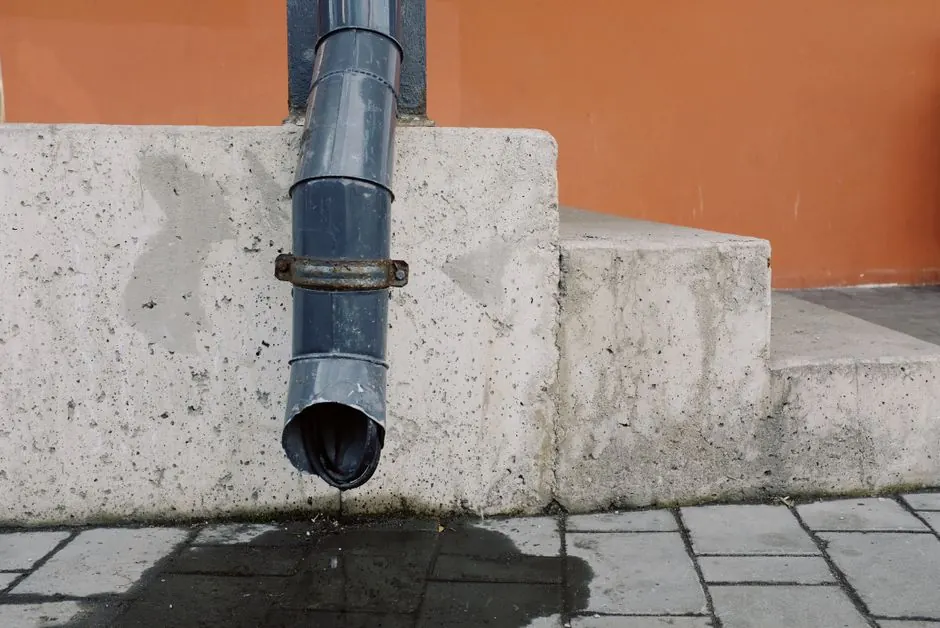
Downspout installation is a critical aspect of gutter systems that directs rainwater away from your home. Properly installed downspouts prevent water damage, protect your foundation, and maintain the integrity of your landscaping.
This article covers best practices for downspout installation in Downtown Minneapolis, including essential tips, common mistakes, and when to seek professional help.
What is Downspout Installation?
Downspout installation refers to the process of attaching vertical pipes to gutters that channel rainwater from the roof down to the ground or drainage systems. This installation is essential for effective water management and preventing moisture-related issues in your property.
Why is Proper Downspout Installation Important?
Proper downspout installation is crucial for several reasons:
- Prevents Foundation Damage: Water pooling near your foundation can lead to cracks and structural issues.
- Avoids Landscape Erosion: Directing water away from flower beds and lawns prevents soil erosion and plant damage.
- Reduces Water Accumulation: Effective downspouts minimize the risk of flooding in basements and crawl spaces.
Best Practices for Downspout Installation
Following best practices ensures your downspouts function optimally:
1. Choose the Right Size
Downspouts come in various sizes, typically ranging from 2x3 inches to 3x4 inches. For Downtown Minneapolis, where heavy rain can occur, opt for larger downspouts to accommodate increased water flow.
2. Angle and Positioning
Install downspouts at a slight angle to ensure water flows freely into them. Position them away from the foundation, ideally at least 6 feet away, to prevent water pooling near the base of your home.
3. Use Extensions or Splash Blocks
Consider using downspout extensions or splash blocks to direct water further away from your home. This practice is especially vital in areas with clay soil, common in parts of Minneapolis, which retains water.
4. Regular Maintenance
Regularly inspect and clean your downspouts to ensure they are free of debris. Clogged downspouts can lead to overflow, which defeats their purpose. Schedule annual inspections, particularly before the heavy rain season.
5. Check Local Building Codes
Familiarize yourself with local building codes regarding downspout installation. Minneapolis may have specific regulations regarding drainage systems that must be adhered to for compliance.
What to Watch Out For
When installing downspouts, be mindful of common mistakes that can lead to ineffective drainage:
- Improper Slope: Ensure the downspout is sloped correctly to prevent standing water.
- Incorrect Placement: Avoid placing downspouts near trees or shrubs that can obstruct water flow.
- Neglecting Gutter Condition: Before installing downspouts, ensure your gutters are in good condition. Damaged gutters can lead to improper drainage.
When to Call a Professional
If you encounter issues such as persistent water pooling, frequent clogs, or if your home has unique drainage needs, consider calling a professional. North Star Seamless Gutters specializes in downspout installation services in Minneapolis and can provide tailored solutions for your property.
Frequently Asked Questions
1. How much does downspout installation cost in Minneapolis?
The cost of downspout installation in Minneapolis typically ranges from $200 to $500, depending on the size and complexity of the job.
2. How often should I clean my downspouts?
Downspouts should be cleaned at least twice a year, ideally in the spring and fall, to prevent clogs and ensure proper drainage.
3. Can I install downspouts myself?
While DIY installation is possible, hiring a professional ensures proper placement and compliance with local regulations.
4. What materials are best for downspouts?
Common materials include aluminum, vinyl, and copper. Aluminum is often preferred for its durability and cost-effectiveness.
5. Do I need to install gutters before downspouts?
Yes, gutters must be installed before downspouts to effectively channel rainwater from the roof to the ground.